Sustainable Solutions: Qualified Environmental Consulting for Your Company
Sustainable solutions hold a critical place in today's business environment. Skilled sustainability consulting provides organizations with the pathway to boost performance while lowering their carbon footprint. By addressing sustainability concerns and legal standards, advisors assist businesses in embracing green initiatives. This transformation supports not only the environment but also reflects the ethics of environmentally conscious consumers. The road to sustainability, nonetheless, is intricate and requires thorough review of many elements. What actions might companies pursue to initiate this change?
Comprehending Environmental Advisory and Its Rewards
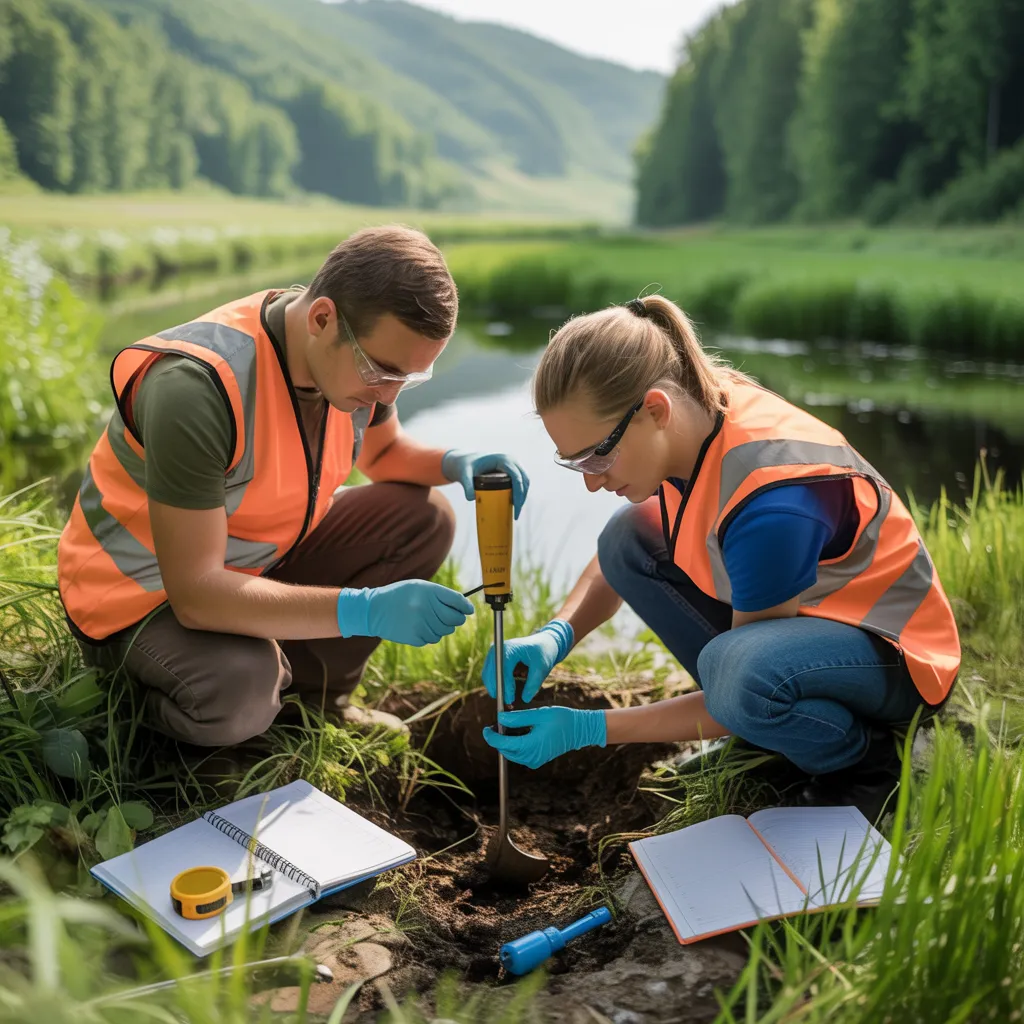
Recognizing green business guidance is necessary for businesses attempting to incorporate sustainable methods. This branch involves authoritative guidance on environmental regulations, green business strategies, and optimal resource utilization. Sustainability professionals scrutinize a company's undertakings to detect betterment possibilities, securing observance of environmental regulations and constraining environmental harm.
The advantages of hiring environmental consultants are substantial. They provide tailored solutions that boost operational performance, reduce waste, and reduce costs related to resource consumption. By analyzing potential environmental hazards, consultants enable businesses reduce liabilities and enhance public perception. Additionally, the incorporation of sustainable practices often leads to innovation and competitive advantage in the marketplace.
Over the extended timeframe, collaborating with environmental consultants develops a culture of sustainability within organizations, prompting employees to adopt environmentally mindful behaviors. By leveraging their professional knowledge, businesses not only contribute to environmental preservation but also present themselves as leaders in corporate responsibility, drawing in increasingly eco-conscious consumers.
Evaluating Your Ecological Footprint
Examining a business's carbon footprint involves identifying critical impact zones and measuring resource consumption rates. By studying these elements, companies can pinpoint where improvements are necessary. This undertaking not only fosters sustainability but also enhances efficiency in operations.
Establishing Vital Impact Parameters
Many companies overlook the critical importance of recognizing key impact areas when evaluating their environmental footprint. By determining specific aspects of their activities that contribute to ecological harm, organizations can develop focused approaches for enhancement. These impact areas often include power usage, waste production, water use, and emissions. Understanding these elements allows enterprises to rank measures that yield the most significant environmental benefits. In addition, engaging interested parties in this recognition procedure fosters a culture of sustainability within the organization. By recognizing and tackling these key critical zones, businesses place themselves to improve their overall sustainability, lower expenses, and meet regulatory requirements. This forward-thinking strategy ultimately supports long-term ecological and economic viability.
Evaluating Resource Utilization Rates
Once key impact zones are identified, the next step includes calculating usage levels to evaluate the company's environmental footprint. This process demands a organized method to collect information on power, liquid, and material consumption across all operations. Employing instruments like power assessments, liquid evaluations, and material tracking analysis can provide insights into consumption patterns. Organizations should also think about creating standards to compare against industry standards or previous results. By examining these metrics, businesses can pinpoint inefficiencies and opportunities for reduction. Precise tracking not only helps in adherence with environmental regulations but also enhances corporate sustainability strategies. This data-driven approach is crucial for choosing wisely that align with long-term environmental goals.
Key Areas for Sustainable Commercial Methods
Likewise, corporations can dedicate capital to renewable power options, such as solar or wind, to lessen dependence on fossil fuels. Employee involvement in environmental programs fosters a sense of accountability, catalyzing innovation and commitment toward eco-friendly practices. Ultimately, candid reporting on sustainability goals and progress strengthens trust among investors and conveys accountability. Through integrating these core areas, corporations contribute to ecological restoration and position themselves as leaders in corporate responsibility, captivating increasingly eco-aware consumers.
Discovering the Perfect Green Advisor for You
Determining an environmental consultant calls for a clear understanding of a business's specific needs and goals. Reviewing these necessities enables entities to coordinate with specialists who exhibit the relevant expertise and experience. This systematic approach guarantees that businesses make informed choices for sustainable solutions.
Examining Your Business Needs
When organizations recognize the value of eco-friendly practices, they often face the challenge of identifying the suitable environmental consultant to meet their unique requirements. This process commences with a detailed review of the organization's environmental objectives, compliance obligations, and existing practices. Companies should consider their sector positioning, business size, and specific challenges, including waste management or energy efficiency. Involving multiple team members across the company can provide valuable insights into the goals and desired results of the consulting relationship. Additionally, it is vital to define the service range required, whether it be compliance, business strategy development, or training. By explicitly stating these requirements, businesses can accelerate the vendor selection and guarantee a more productive working relationship with their chosen advisor.
Reviewing Consultant Proficiency
How can businesses guarantee they select the appropriate sustainability advisor? Evaluating consultant knowledge involves several important considerations. Initially, firms should evaluate the consultant's credentials, encompassing pertinent certifications, training, and expertise in specific environmental fields. Subsequently, examining previous projects and client testimonials provides understanding into the consultant's effectiveness and reliability. Additionally, understanding their approach to sustainability—whether they prioritize cutting-edge approaches or regulatory adherence—is essential. interpersonal abilities also play a important part; a consultant must clearly convey complicated details to various stakeholders. Finally, take into account the consultant's dedication to continuous learning and keeping current on environmental requirements and innovations. By carefully reviewing these aspects, organizations can make well-considered choices and select a consultant best matched to their distinctive needs.
Develop Your Personalized Sustainability Strategy
A well-crafted sustainability plan has refer to this page the potential to noticeably advance a enterprise's ecological footprint and operational efficiency. This step starts with a thorough assessment of the organization's current processes, spotting components where improvements can be made. Important stakeholders should be included in this review to ensure varied viewpoints are considered.
Subsequently, clear, measurable targets need to be developed. These targets should align with the overarching objectives of the organization while addressing environmental challenges such as minimizing waste, operational efficiency, and resource conservation.
In addition, it is critical to put in place innovative solutions focused on the distinctive issues of the industry. Liaising with proficient environmental professionals can communicate valuable insights into best practices and next-generation innovations.
At the end of the day, a effective communication plan can create a commitment to sustainability within the organization, making certain that all employees understand fully their stakes in meeting these goals. This comprehensive approach ultimately renders the business a sustainability authority.
Executing Environmentally Responsible Initiatives Effectively
Effective deployment of sustainable solutions requires a well-planned strategy that prioritizes clarity and purpose. Businesses must first set up specific targets, pinpointing specific sustainability goals in line with their overall mission. This includes engaging stakeholders, such as employees and suppliers, to cultivate a culture of sustainability throughout the organization.
Next, organizations should manage budgets effectively, guaranteeing that the necessary technologies, training, and tools are in place to promote sustainable practices. Regular communication is vital, as it maintains all stakeholders informed and driven.
Moreover, embedding environmental practices into existing processes can boost productivity and reduce opposition to transformation. By piloting initiatives, enterprises can assess feasibility and refine approaches before full-scale implementation.
Ultimately, a committed management group, paired with transparent processes and continuous involvement, can greatly enhance the efficiency of eco-friendly initiatives, resulting in enduring advantages for both the company and the ecosystem.
Following Your Sustainability Initiatives
What methods can businesses utilize to monitor their environmental progress successfully? Organizations can leverage a range of instruments and measurements to measure their environmental impact and improvements. One common strategy is the adoption of key performance indicators that concentrate on energy usage, waste minimization, and greenhouse gas emissions. By establishing specific benchmarks, companies can evaluate their progress over time.
Additionally, computational tools that supervise resource consumption and emissions can provide immediate data, enabling more informed assessments. Scheduled sustainability audits are likewise essential, allowing firms to identify potential improvements and guarantee observance of environmental regulations.
Engaging stakeholders by using feedback tools and survey methods can significantly strengthen the monitoring approach, building a framework of transparency and iterative enhancement. In conclusion, a systematic approach to assessing environmental performance enables businesses to make data-driven choices and highlight their commitment to environmental stewardship.
Frequently Inquired Questions
How Much Does Environmental Consulting Usually Price for Businesses?
Environmental advisory rates for enterprises generally range from $100 to $300 per hour, contingent on the firm's expertise and project demands. Fixed pricing may apply, adjusting based on services needed and duration.
What Certifications Should I Search for in an Environmental Consultant?
In choosing an environmental consultant, one must identify certifications such as Certified Environmental Professional (CEP), ISO 14001, or LEED accreditation, as these indicate expertise and dedication to sustainable practices within environmental management.
Are Smaller Companies Well-Suited to Gain From Environmental Consultation Services?
Yes, small businesses can substantially benefit from environmental consulting services. These expert services help optimize resource use, minimize waste, strengthen compliance with regulations, and boost overall sustainability, eventually generating financial benefits and a enhanced corporate reputation.
How Frequently Should I Revise My Sustainability Strategy?
Revising a green initiative should take place annually or biannually, subject to market transformations and organizational growth. Routine assessments assure alignment with evolving regulations, stakeholder expectations, and modern innovations, driving perpetual advancement and upgraded sustainability results.
Which Business Fields Benefit the Most From Environmental Consulting?
Industries including manufacturing, construction, energy, and agriculture receive significant benefits from environmental expert guidance. These sectors commonly experience regulatory challenges, resource control difficulties, and environmental objectives that require professional expertise to boost their environmental standards and regulatory conformity.